Treatment is determined by a licensed clinician after review. Not all patients are candidates. Individual results vary.
About Semaglutide
What it is, how it works, what it's studied for, and safety considerations.
What Is Semaglutide?
Semaglutide is a glucagon-like peptide-1 (GLP-1) receptor agonist. FDA-approved semaglutide products include Wegovy for chronic weight management and cardiovascular-risk reduction in certain adults, Ozempic for type 2 diabetes and related risk reduction, and Rybelsus as an oral semaglutide product for type 2 diabetes. A patient's selected semaglutide option as a preference that requires licensed clinician review. Compounded semaglutide is not the same as an FDA-approved branded product.
How It Works
Semaglutide activates GLP-1 receptors involved in appetite, satiety, insulin secretion, glucagon regulation, and gastric emptying. In weight-management contexts, GLP-1 signaling can reduce appetite and help patients feel full sooner when used alongside nutrition, activity, and clinical monitoring. Semaglutide is not a guaranteed weight-loss outcome.
What It’s Studied For
Semaglutide has been studied extensively for type 2 diabetes, chronic weight management, cardiometabolic risk reduction, and related obesity-associated outcomes. FDA-approved semaglutide products have gone through formal drug-development and labeling review, while compounded semaglutide products are not FDA-approved and have separate quality, dosing, and safety considerations.
How It May Be Used in a Clinician-Supervised Program
In a clinician-supervised program, semaglutide may be considered for patients seeking weight-management support when clinically appropriate. The clinician reviews BMI, weight history, prior medication use, current medications, diabetes history, gastrointestinal history, gallbladder or pancreatitis history, pregnancy status, thyroid cancer/MEN2 history, and other safety factors. Lifestyle changes remain part of the program.
Preferred Starting Options / Dosing Notes
Many patients begin with a lower starting option so a licensed clinician can evaluate tolerance, medical history, goals, and safety factors before any adjustments are considered. The starting option shown below is informational and reflects available program data, not self-directed dosing instructions. Final medication, dose, frequency, and treatment plan are determined by a licensed clinician.
Average starting option
- 2.5 mg
Available options
- 2.5 mg
- 5 mg
- 7.5 mg
- 10 mg
- 12.5 mg
- 15 mg
Provider note: Do not change dose, frequency, or route of use unless directed by your clinician.
Safety Considerations
- Common gastrointestinal effects can include nausea, vomiting, diarrhea, constipation, and abdominal pain.
- Reported risks include dehydration, gallbladder problems, pancreatitis warnings, and hypoglycemia when combined with insulin or sulfonylureas.
- FDA-approved GLP-1 labels include avoidance language for personal or family history of medullary thyroid carcinoma or MEN2.
- Disclose pregnancy plans, breastfeeding, kidney disease, gastrointestinal disease, and all medications.
- FDA has reported dosing errors associated with compounded injectable semaglutide products.
Some treatments may involve compounded medications when prescribed by a clinician. Compounded medications are not FDA-approved. The FDA does not evaluate compounded medications for safety, effectiveness, or quality before marketing.
Frequently Asked Questions
Is Semaglutide guaranteed to be prescribed?
No. Prescriptions are never guaranteed. A licensed clinician reviews your medical intake and determines whether treatment is medically appropriate.
Can my provider change my treatment or dose?
Yes. Your selected treatment and preferred starting option are treated as preferences. Your provider may approve your selection, recommend a different option, adjust dosing, request more information, or deny treatment.
Does payment guarantee treatment?
No. Payment does not guarantee approval, a prescription, a specific medication, or a specific dose.
How is Semaglutide used?
Use instructions are provided only if treatment is prescribed. If prescribed, follow your clinician's dosing and administration instructions exactly.
Are compounded medications FDA-approved?
No. Some treatments may involve compounded medications when prescribed by a clinician. Compounded medications are not FDA-approved and are not evaluated by FDA for safety, effectiveness, or quality before marketing.
What comes with injectable treatments if prescribed?
When prescribed by a licensed clinician, injectable peptide treatments may ship with syringes, prep pads for sterilization, and an instructions and dosing guide. Use only as directed by your clinician.
Disclaimer
Although the information on this page is based on available educational research and product information, it is provided for informational purposes only and is not medical advice. Treatment decisions, medication selection, dosing, and eligibility are determined by a licensed clinician after review. Not all patients are candidates, and individual results may vary. Use medications only as directed by your clinician.
Related Treatments
Other clinician-reviewed treatments related to Semaglutide.
See Our Other Treatments
Explore other clinician-reviewed treatment programs.
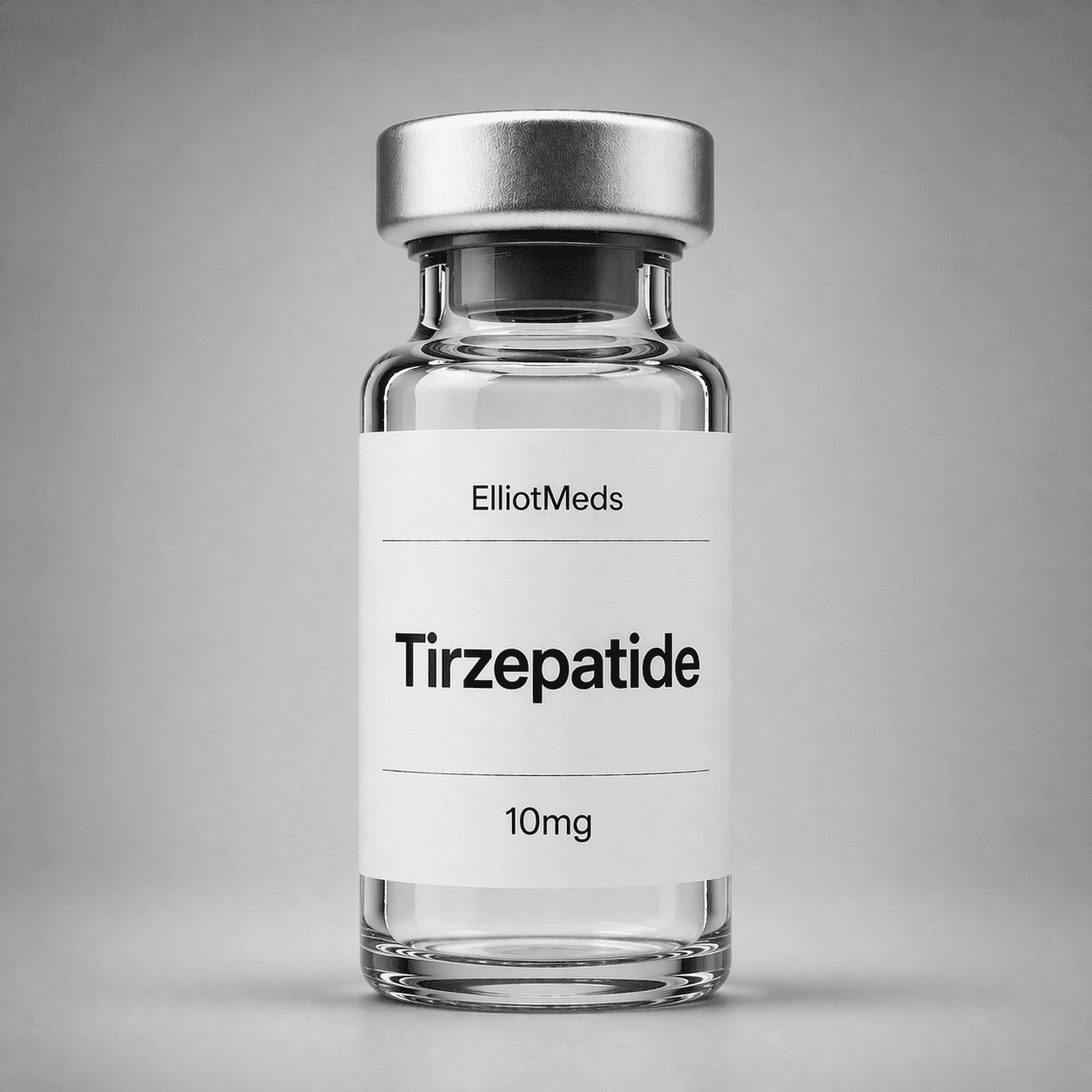
Tirzepatide
Weight Loss
Best for: Appetite regulation and weight management support
Starting at
$189
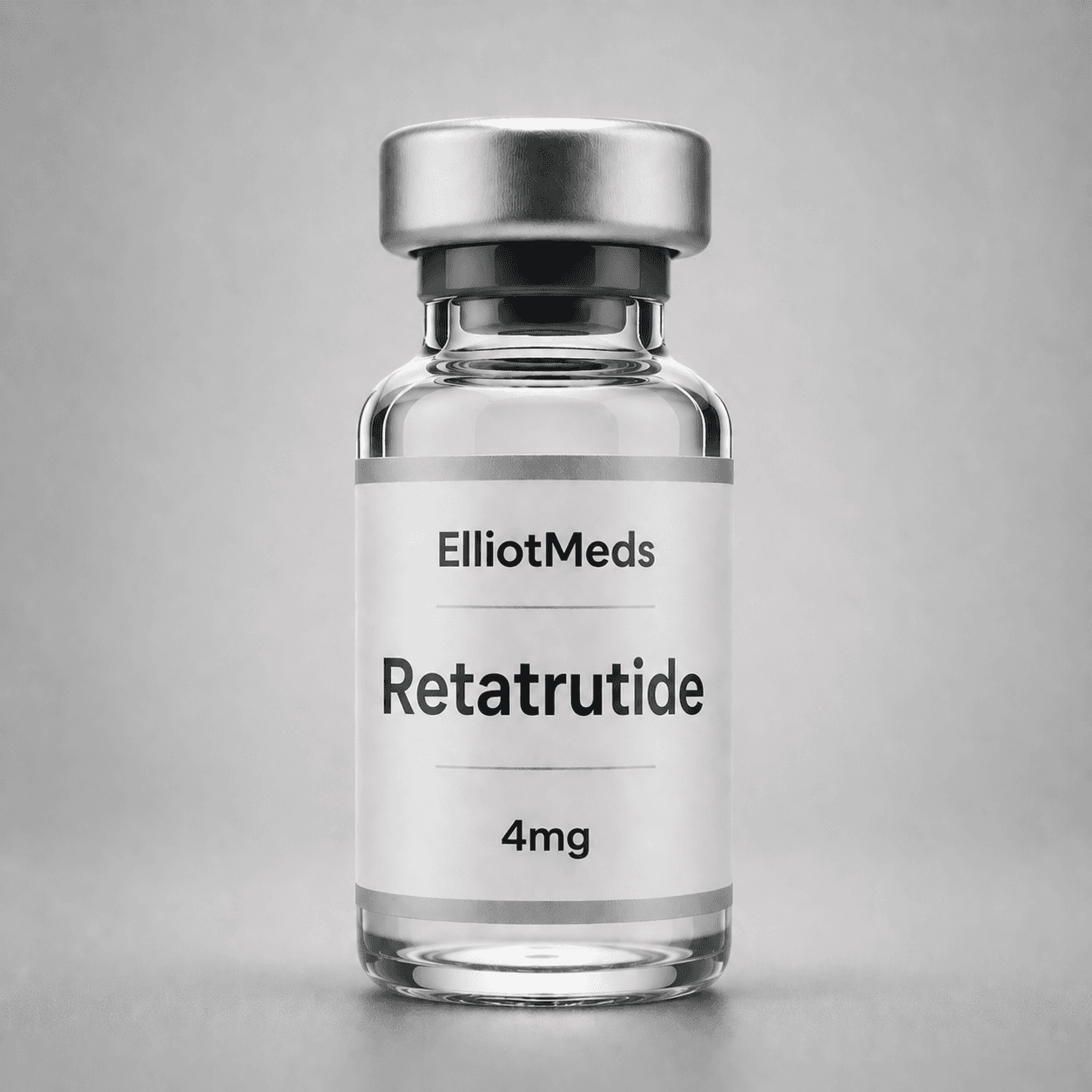
Retatrutide
Weight Loss
Best for: Investigational triple-agonist weight management support
Starting at
$299
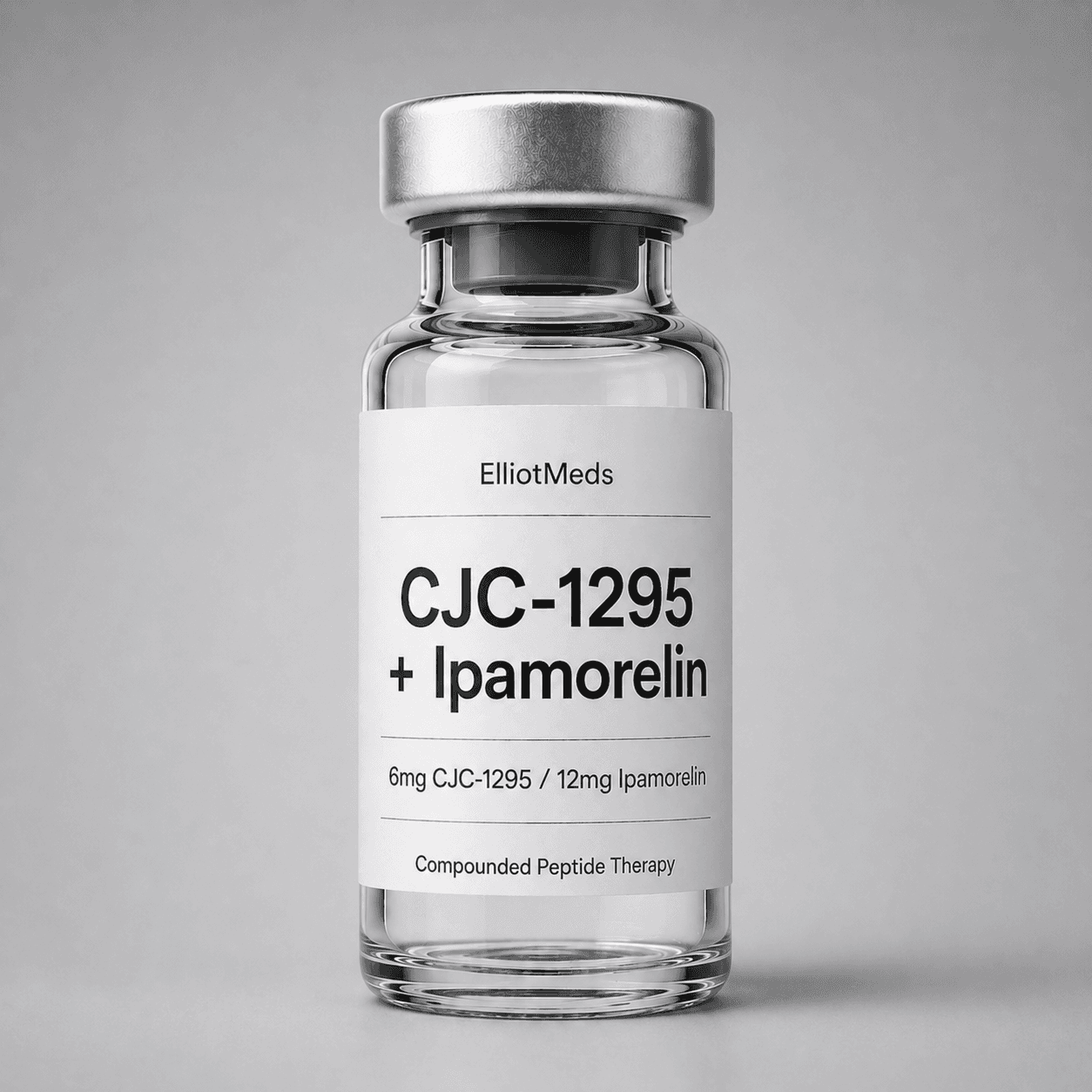
CJC-1295 / Ipamorelin
Muscle Growth & Recovery
Best for: Growth-hormone-pathway recovery support blend
Starting at
$229
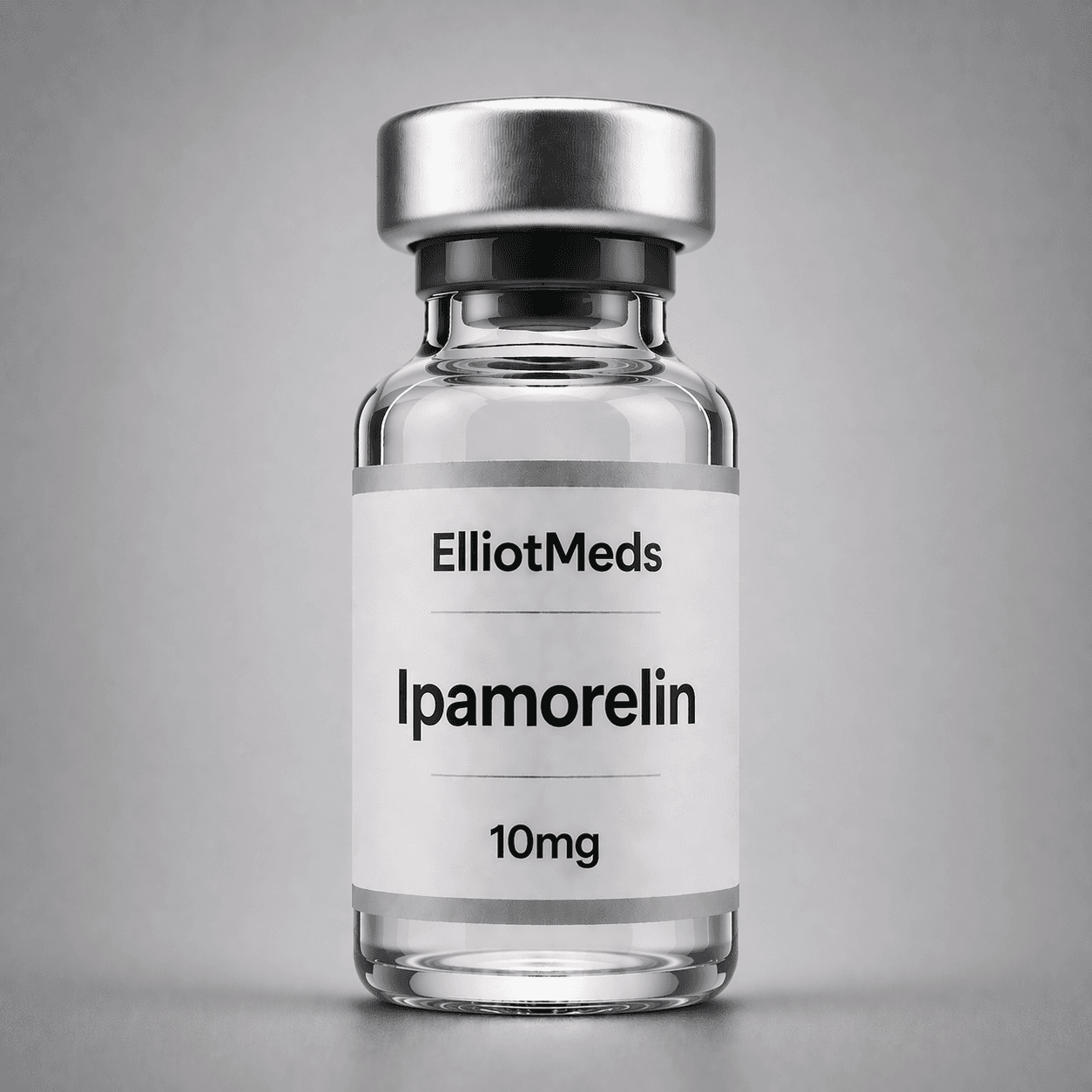
Ipamorelin
Muscle Growth & Recovery
Best for: Growth-hormone-pathway recovery support
Starting at
$229